Smoke Line Consulting, home
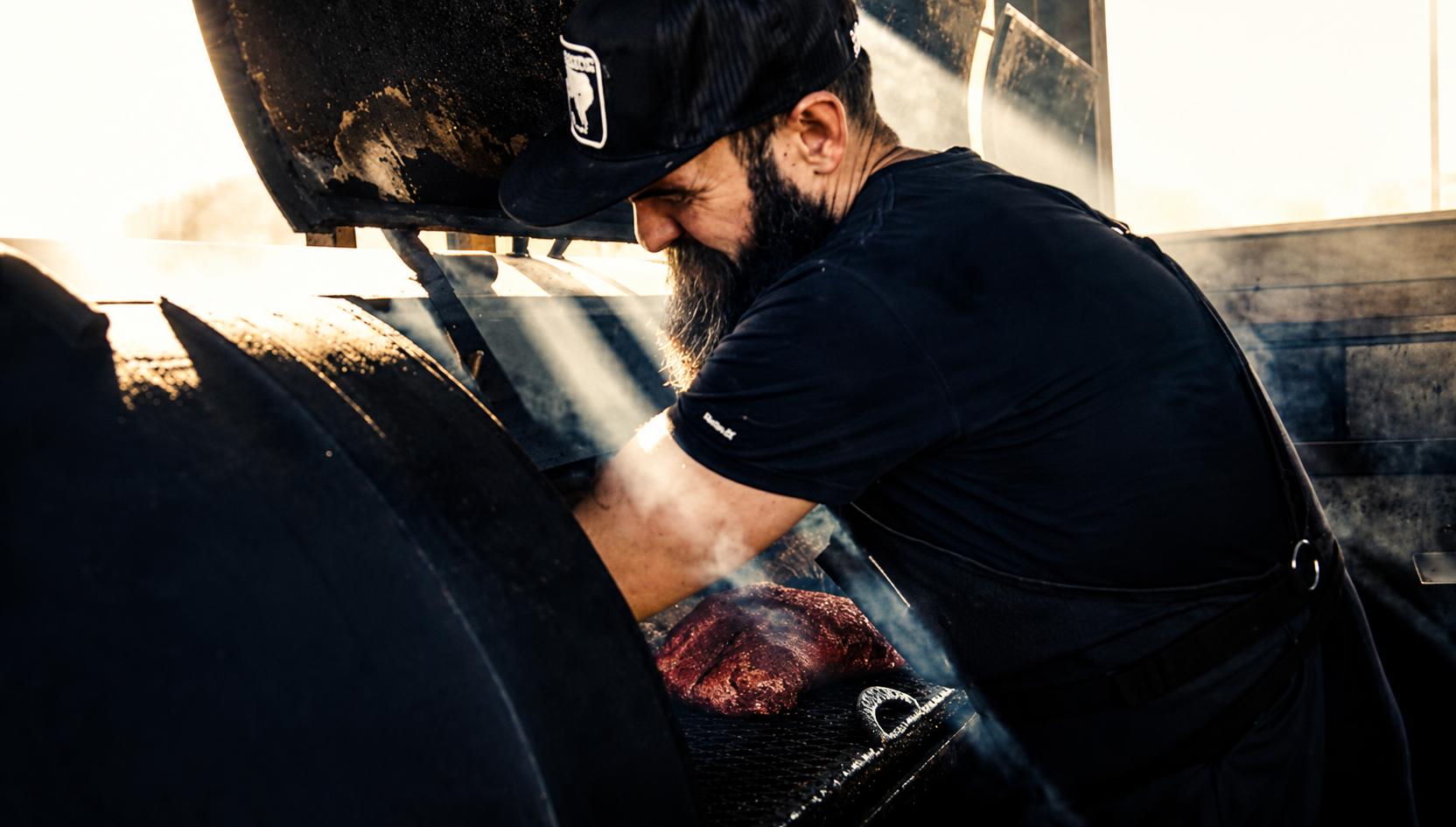
Colby Brownlee loading an offset smoker at sunrise, smoke drifting across the open cook chamber.

Barbecue & restaurant operating practice

The pit should run like the rest of the house.

Most barbecue programs are held together by one person’s judgment. We measure what yours actually costs and actually produces, then build the systems that let it run without a hero.

First stepOperating Audit
Founded byColby Brownlee
CoverageUS & abroad

The condition

Your barbecue program is one person deep.

Somebody on your team knows how long the brisket takes, how hard to run the fire, when to wrap, when to pull, and how much to thaw for a Saturday. None of it is written down. It works, right up until that person takes a week off, or takes another job.

The rest of your house does not run this way. The line has recipes. Purchasing has pars. The bar counts. Only the pit is exempt, and the pit is usually your highest food cost and your longest lead time.

That is not a people problem. It is a documentation and control problem, and it is fixable in weeks rather than years.

What it looks like on the floor

  • 01Yield swings twenty points between cooks and nobody can say why.
  • 02Nobody knows what a portion of brisket actually costs after trim and shrink.
  • 03The order guide lives in a text thread.
  • 04The smoker was sized for the opening month, not for December.
  • 05Training a new cook takes a season because there is nothing to hand them.
  • 06Catering gets quoted on instinct and loses money quietly.

The Smoke Line Method™

Six steps. The Audit is the first two.

Every engagement runs the same sequence. You can stop after step two with a complete written picture of the operation and no obligation to continue.

01

Observe

Half a day on site. Cooks, pits, walk-in, prep, service, invoices.

02

Assess

Measured yield, true cost per portion, ranked cost gaps.

03

Build

Order guides, recipe specs, prep standards, variance controls.

04

Train

The people who cook it learn to run it and to teach it.

05

Implement

Systems go live on real service, with us in the building.

06

Sustain

Controls that keep working after the consultant leaves.

Steps 01–02 are the Operating Audit

Start here

The Operating
Audit

One property. Two weeks. Half a day on site. You receive a written operating picture whether or not we work together afterward.

$3,500

Fixed price · fixed scope

You receive

  • Measured yield per protein, taken on your equipment
  • True cost per portion at your invoice pricing
  • Ranked cost gaps, largest first
  • Dollar estimates on the top three findings
  • Pit capacity against your actual volume
  • A 30 / 60 / 90 fix list with owners
  • Documentation gap inventory

After the findings, what you do is your call. Most of it is actionable in-house with the documents you already have in hand. If you want the systems built, trained and installed, that gets scoped separately once we both know what the operation actually needs.

Book the Operating Audit

Site work is led by Colby Brownlee.

What you actually get

Operating Audit — Findings

Sample · illustrative figures SL-OA / p.4 of 22
1.0  Measured yield & true portion cost
ProteinPurch lbTrimmed CookedYield$/4oz MenuGap
Brisket, packer 14.2 11.1 6.4 45.1% 3.86 9.00
Brisket, packer1 14.2 10.0 5.2 36.6% 4.75 9.00 -0.89
Pork butt 8.8 8.8 5.1 58.0% 1.42 7.00
Spare rib, St. Louis 3.4 2.7 1.9 55.9% 2.94 13.00
Chicken, half2 2.6 2.6 1.8 69.2% 1.11 11.00
2.0  Ranked cost gaps
#FindingEst. annual
1 Brisket yield variance across cooks3 $31,400
2 Overproduction Sun–Tue, no forecast $12,900
3 Catering quoted below true portion cost $8,200
  • 1Same spec, same box, different cook. The trim is where the money leaves, and nobody is weighing it.
  • 2Yield is fine. Price is not. This one is a menu conversation, not a pit conversation.
  • 3Ranked by dollars, not by how easy it is to fix. You decide the order; we tell you the size.
Measured yields and ranked cost gaps.
Format demonstration. Figures are illustrative, not a client result.
Smoke Line Operating Audit — findings, p.4

After the Audit

What Smoke Line builds.

The Audit establishes what needs to change. These six services turn the findings into working systems, scoped around your operation.

Barbecue Programs

New programs and rebuilds. Pit workflow, production, yield, holding, overnight labor, training, documentation, multi-unit standards, catering and high-volume service.

Restaurant Development

Concept, back-of-house planning, kitchen workflow, equipment and smoker selection, menu, purchasing, vendor setup, recipes, SOPs, hiring, training, opening execution and opening support.

Menu Development

New menus, rebuilds, seasonal architecture, menu engineering, recipe development, costing, pricing, cross-utilization, station pressure, prep burden, equipment capacity, catering and event menus.

Kitchen Operations

Purchasing, order guides, prep, pars, production, portioning, inventory, recipes, labor deployment, service flow, training and documentation.

Pits & Equipment

Commercial smoker selection, capacity modeling against real volume, fuel, holding, workflow, placement, procurement advisory, and integration into production rather than beside it.

Product Development

Custom rub and sauce development. Location-specific formulations, batch protocols, yield sheets and scaling math, built for your own production or taken to a controlled manufacturing specification.

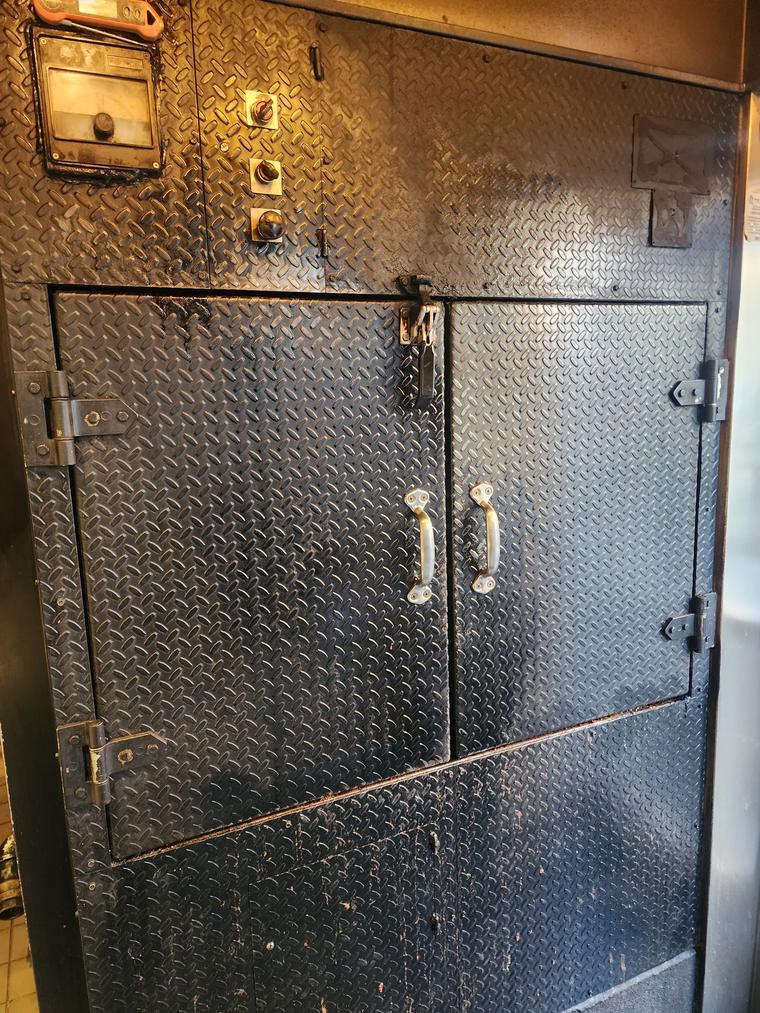
Commercial smoker doors in diamond plate, with an analog temperature gauge and a bank of three switches above the latch.
Equipment is production infrastructure, not decoration. Gauge, switch bank and door seal are the controls a program is actually run from.

Explore all six services →

Selected work

Operating problems, and what got built.

Organized by the work performed. Where it happened is at the foot of each entry, where context belongs.

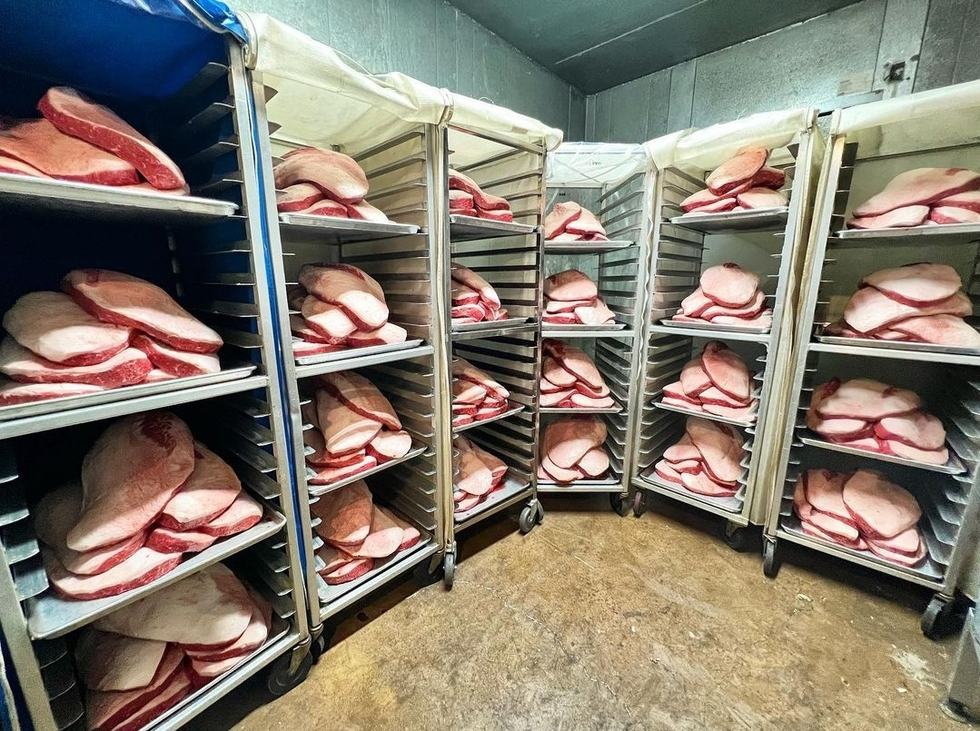
Production photograph from a separate location: briskets on sheet pans arranged on speed racks in a walk-in cooler.
Briskets staged on speed racks. Production photograph from a separate location.
Work / 01

Multi-Unit Brisket Control

Brisket production across five kitchens required consistent trim standards and comparable yield records.

Built
Daily production records covering purchase weight, trimmed weight, cooked yield and service loss, by the pound, per unit.
Proves
Experience establishing production standards across multiple kitchens.
Context: Multi-unit food group
Role: Corporate Pitmaster · Relationship: employed role

Read the work

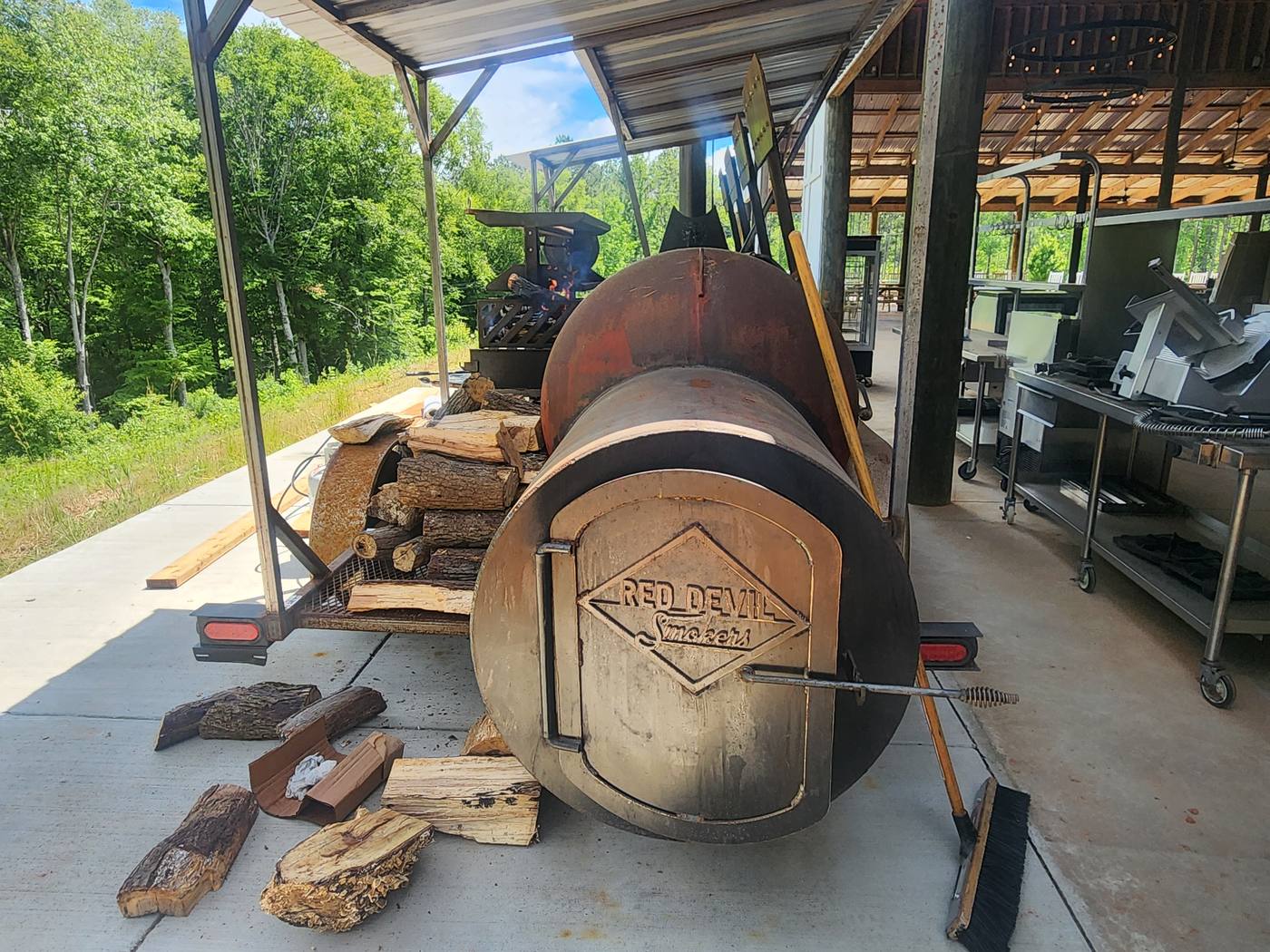
Offset smoker on a trailer under a covered pavilion, split wood stacked alongside, kitchen equipment behind.
The pit, the fuel and the line under one roof. Capacity was designed against forecast volume before the menu was written.
Work / 02

Ground-Up Smokehouse Build

A pit, a slab, and no program. No menu, no recipes, no purchasing, no crew, and an opening date already on the calendar.

Built
Culinary development, menu, purchasing architecture, recipes and SOPs, kitchen hiring, the pit program, and opening execution.
Proves
Opening a barbecue program where none existed.
Context: Bohemian Cattle Co.
Role: Partner & Culinary Director · Relationship: ownership stake and operating role

Read the work

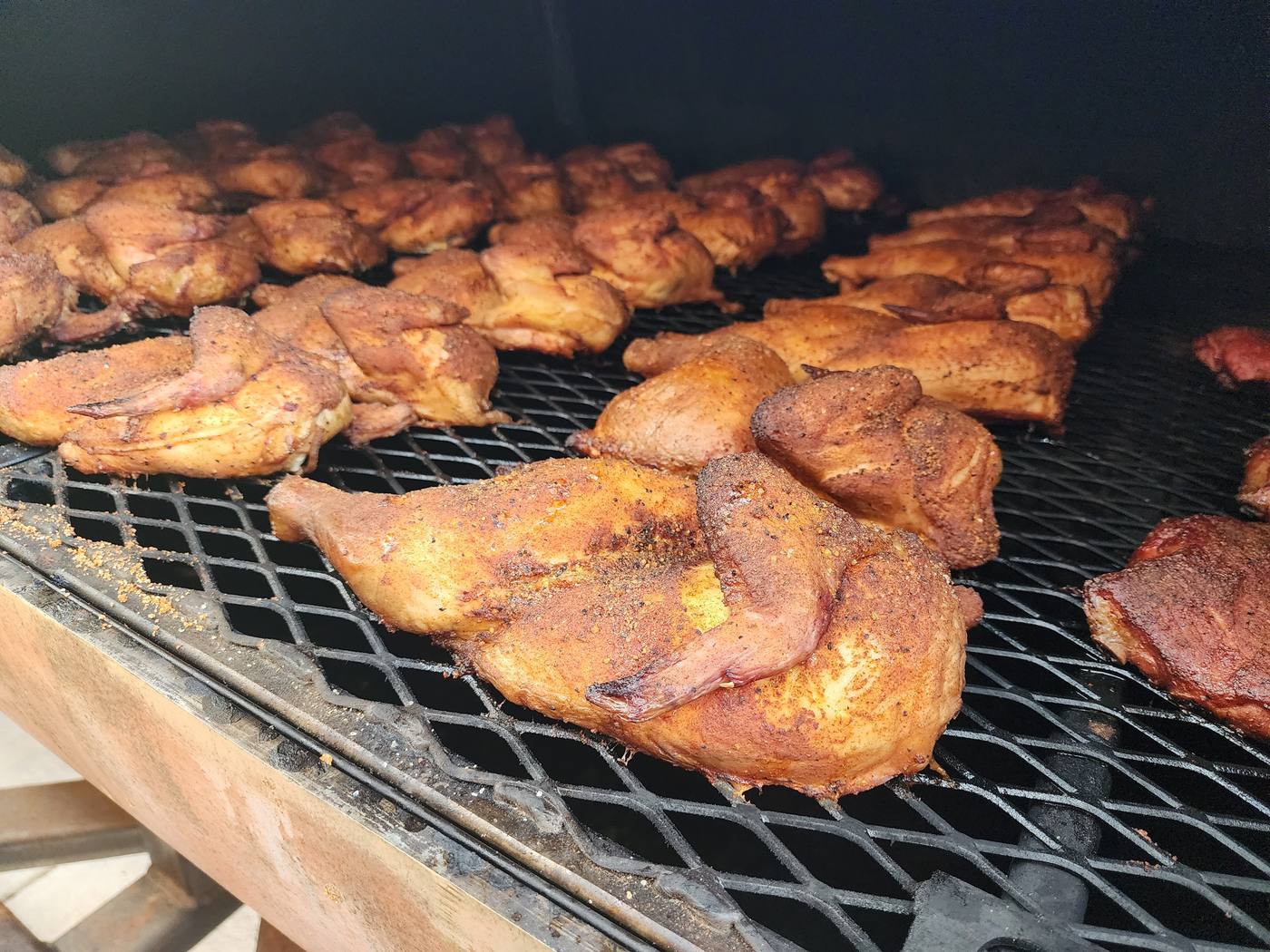
Dozens of seasoned chicken halves laid across a large smoker grate.
Event load-in. Production for an event environment is a scheduling problem before it is a cooking problem.
Work / 03

Concert-Volume Barbecue

Restaurant barbecue assumes demand arrives across a service. Event barbecue assumes it arrives at once, twice a week, against a 4,500+ capacity room.

Built
Production and service systems sized to event demand: cook scheduling backward from doors, holding protocol, staged par builds and a line that could be run by seasonal staff.
Proves
Barbecue that holds up when the entire night lands in ninety minutes.
Context: Michigan hospitality group · Biergarten and concert venue
Role: Executive Chef · Relationship: employed role

Read the work

All work →

Systems

The machinery behind the advice.

Every engagement leaves documents behind. These are the ones that do the most work, shown as they are actually built.

Order Guide Template

SL-PA-01
ItemUnitParOn handOrder
Brisket, packer 13–15cs
Pork butt, bone-incs
Spare rib, St. Louiscs
Chicken, whole 3–4cs

Purchasing Architecture

Ordering that survives the person who normally does it. Categories, pars, units and a count sheet that matches the guide line for line.

Get the order guide →

Brisket Variance Control

Sample · illustrativeSL-BVC-02
DateInTrimOutYield
03 / 04142.021.8 64.145.1%
03 / 05142.031.4 52.036.6%
03 / 06128.019.1 58.946.0%
03 / 07156.024.2 70.945.4%

Brisket Variance Control

Purchase, trim, cook and service loss by the pound, every day, per cook. It finds the ten-point swing before the P&L does.

See the yield chain →

Recipe & Production Spec

SL-RPS-04
Yield1 packer / 24 portions
Portion4.0 oz sliced
Rub18 g per lb, trimmed
Chamber255–265°F
Wrapat set bark, not clock
Holdmin 4 h @ 150°F

Recipe & Production Standards

One card per item, written so a cook who has never worked your pit can produce it and a manager can verify it.

Open the system →

Purchase → control → portion

The yield chain.

A packer costs the same whoever trims it. What reaches the guest does not. This is the whole argument for measuring.

Sample · illustrative figures

Input
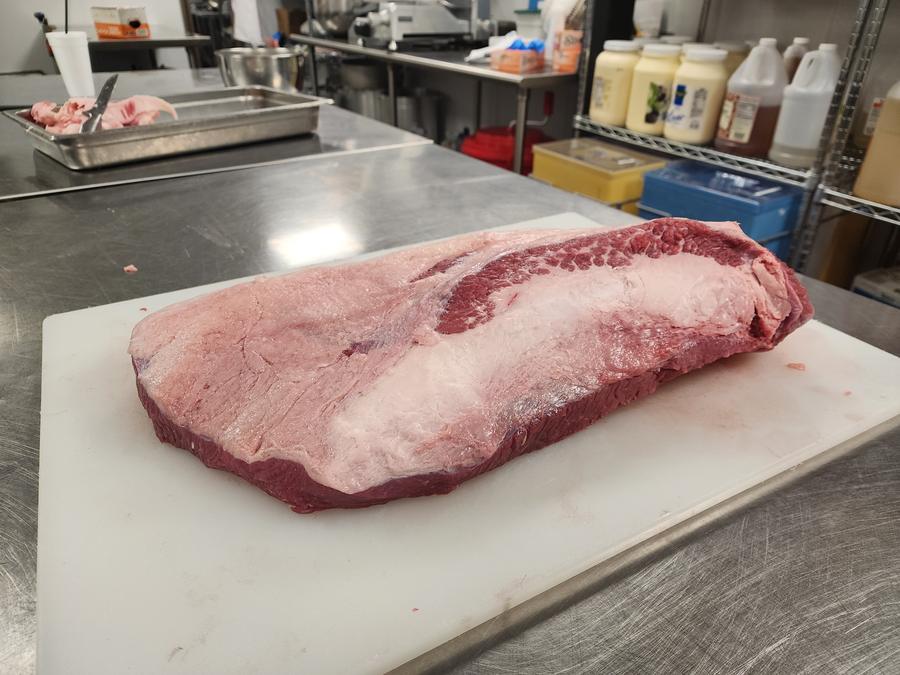
Untrimmed brisket packer on a white cutting board in a working kitchen, trim pan and knife behind.
What you bought. 14.2 lb packer, untrimmed, at invoice.
Control

Variance Control — single cook

Sample · illustrativeSL-BVC-02
Purchase weight 14.20 lb
Trim loss1 −3.10 lb
Trimmed to pit 11.10 lb
Cook loss −4.70 lb
Off the pit 6.40 lb
Service loss2 −0.40 lb
Sold6.00 lb / 24 portions
  • 1Trim is the only loss you fully control. It is also the one nobody weighs.
  • 2Ends, dry-out and comps. Small per day, four figures per year.
Format demonstration. Figures are illustrative, not a client result.
Output
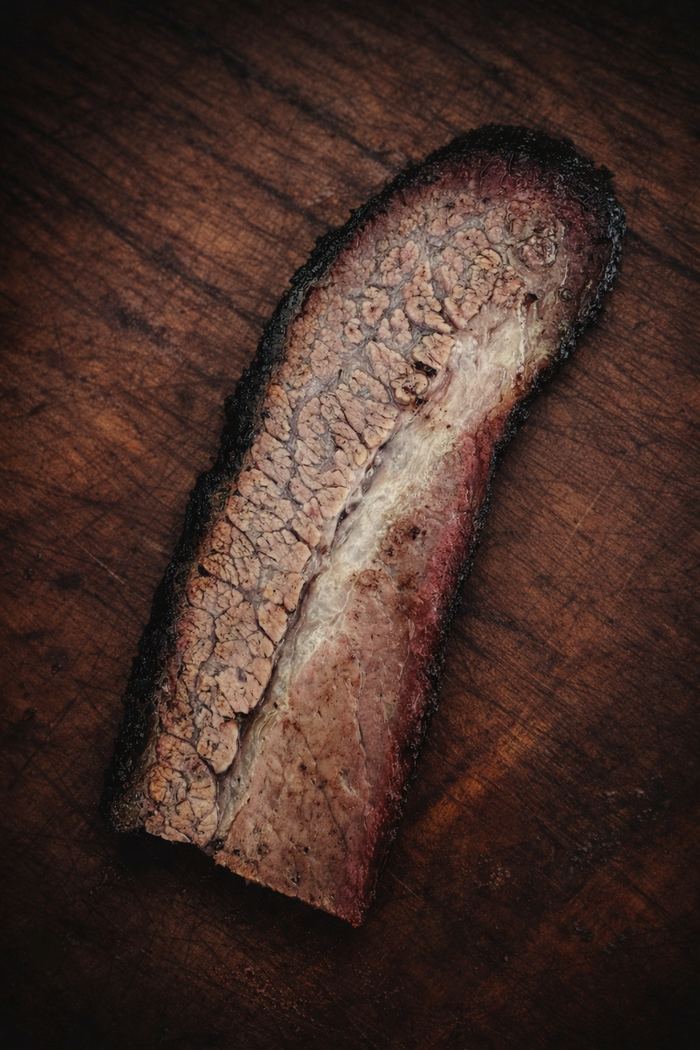
Single slice of finished brisket on a scarred wooden board, bark and smoke ring visible.
What reached the guest. One 4 oz portion of twenty-four.
Purchased
14.20 lb
Total loss
−8.20 lb
Sold yield
42.3%
True cost / 4 oz
$4.12

Fit

Who this is for.

A good fit if

  • You run barbecue as a real revenue line, not a special.
  • You already suspect the problem is your systems, not your crew.
  • You can put someone in the room who is allowed to change things.
  • You want the documentation more than you want the visit.

Not a good fit if

  • You want a recipe rather than an operation.
  • You are looking for a name to attach to the brand.
  • You want the findings softened before you read them.
  • Nobody on the payroll has authority to implement.

Free

The Barbecue Order Guide Template.

Formatted and usable in your kitchen this week. It is the first document we produce in every engagement, and you do not need to hire us to use it.

Enter your email to get the free PDF and Excel order guide.

We save your email with your request. No mailing-list signup.

Order Guide v1.1. PDF for printing. Excel workbook with order formulas.

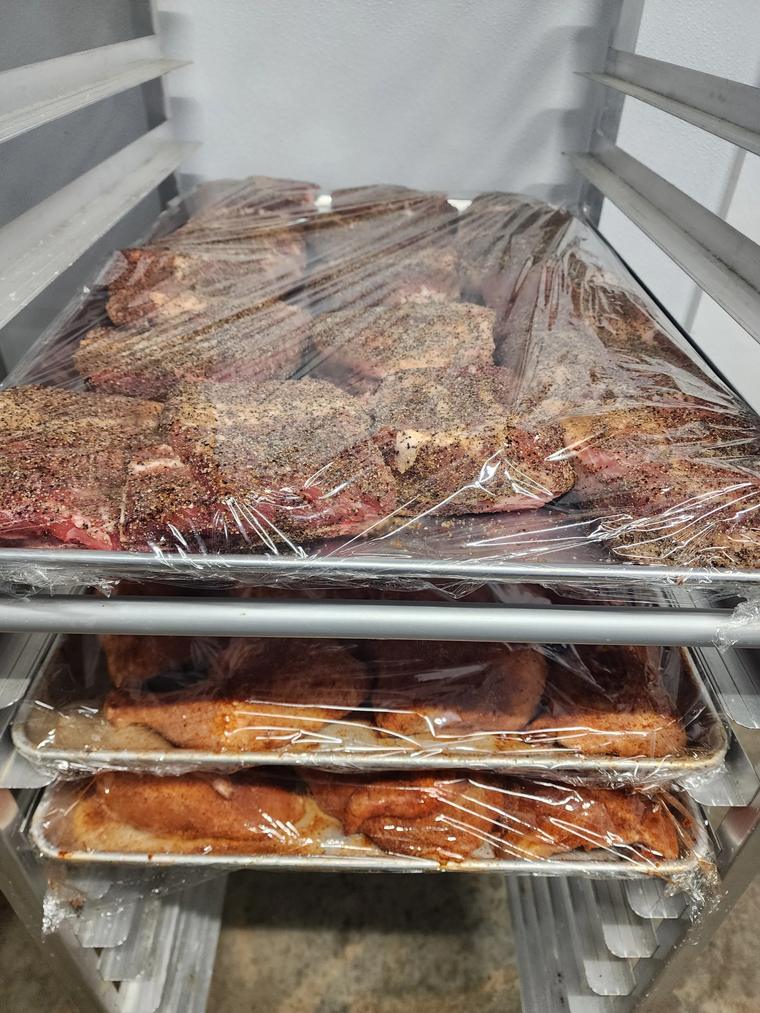
Three tiers of a speed rack holding wrapped sheet pans of seasoned protein, staged in cold storage.
Seasoned, panned, wrapped, labeled and staged in sequence, one product per pan. The order guide is what makes this repeatable on a Tuesday.
Colby Brownlee seated in front of an offset smoker and stacked split wood.

The practice

Smoke Line Consulting,
founded by Colby Brownlee.

Twenty-one years in professional kitchens, from Central Texas pits to multi-unit barbecue in the Carolinas, plus two barbecue businesses of his own. Colby answers directly, and he is the person who walks into your kitchen.

The practice exists because the same failures keep repeating in barbecue rooms that are otherwise well run: no yield measurement, no purchasing architecture, no documentation, and one person carrying it all. The diagnosis comes from someone who has had to run it.

About the practice →

Start a project

Tell us what the pit is doing.

Every inquiry is read by Colby. If the Audit is not the right first step, we will say so and tell you what is.

01

Reply

Within one business day, from a person.

02

Call

Thirty minutes. Enough to know whether this is worth doing.

03

Schedule

A site date, a fixed price, and a written scope.

Sometimes it isn’t the right fit, and we’ll say so.

Your inquiry is saved securely for Colby. Reply within one business day.

You can also email Colby@TheSmokeLine.com directly.

We use these details to respond to your inquiry. No mailing-list signup.

Questions

Before you ask.

Do you only work on barbecue?

No. Barbecue is the sharpest credential and usually the way in, but most engagements end up in purchasing, the menu, prep, or the walk-in. If your barbecue program is fine and your kitchen operations are not, say so and we will scope that instead.

What happens if the Audit finds nothing?

If the program is already in good shape, you still leave with measured yield, true portion cost and a documentation inventory. That has value on its own, and there is no obligation to continue.

Will you write our recipes?

Yes, as specifications rather than as ideas. A Smoke Line recipe card states yield, portion, batch, critical controls and hold, so a cook who has never worked your pit can produce it and a manager can verify it.

Do you sell smokers?

No, and we take no commission from anyone who does. Equipment advice is sized against your actual production volume, which is the only reason to trust it.

Can you help us develop our own rub or sauce?

Yes, on two paths. We can develop the formula and batch protocol for you to produce yourself, or take it to a controlled production specification. The second path may be delivered in connection with Pitmaster Provisions, a separate venture under the same operator. The relationship is disclosed wherever it applies.